Tooth Sensitivity: Causes, Treatments, and How to Get Relief
Do you feel a sharp or sudden discomfort when drinking something cold, eating sweets, or even breathing in cold air? If so, you’re not alone. Tooth sensitivity is a very common issue—and the good news is that it’s treatable and manageable.
With the right care and guidance, you can enjoy your favorite foods and drinks again without discomfort.
What Is Tooth Sensitivity?
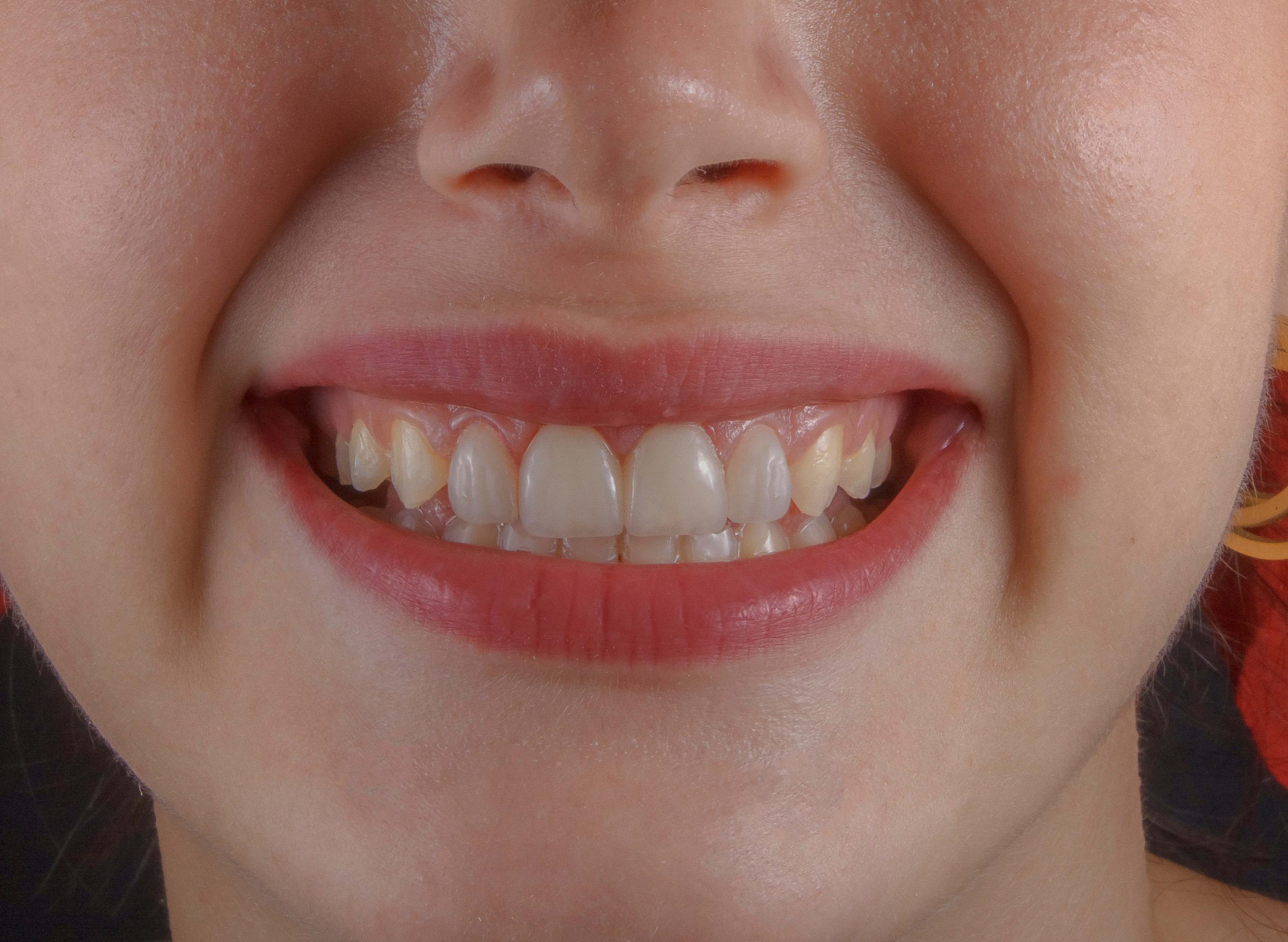
Tooth sensitivity occurs when the inner layer of the tooth (called dentin) becomes exposed. This layer contains tiny channels that connect to the nerve of the tooth, which is why certain triggers can cause a quick, sharp sensation.
Sensitivity may come and go, or it may become more noticeable over time if not addressed.
Common Causes of Tooth Sensitivity
There are several reasons why teeth may become sensitive. Identifying the cause is the first step toward effective treatment.
1. Enamel Wear
Over time, the protective outer layer of the tooth (enamel) can wear down due to brushing habits, diet, or natural aging.
2. Gum Recession
When gums recede, they expose the root surface of the tooth, which is more sensitive than enamel.
3. Tooth Decay or Cavities
Small cavities can expose sensitive areas of the tooth and cause discomfort.
4. Teeth Grinding (Bruxism)
Grinding or clenching can wear down enamel and increase sensitivity.
5. Recent Dental Treatments
Some patients may experience temporary sensitivity after procedures such as fillings or whitening.
What Triggers Tooth Sensitivity?
Sensitivity is often triggered by:
Cold drinks or foods
Hot beverages
Sweet or acidic foods
Cold air
Brushing or flossing
If you notice these triggers frequently, it’s a sign that your teeth may need attention.
How to Get Relief from Tooth Sensitivity
The good news is that there are several simple and effective ways to reduce or eliminate tooth sensitivity.
Use a Desensitizing Toothpaste
These toothpastes are specially formulated to block the pathways that lead to the tooth nerve, reducing sensitivity over time.
Brush Gently with a Soft Toothbrush
Using gentle pressure helps protect enamel and prevent further gum recession.
Avoid Highly Acidic Foods and Drinks
Limiting acidic items can help protect enamel and reduce irritation.
Maintain Good Oral Hygiene
Brushing and flossing regularly helps prevent cavities and gum problems that can contribute to sensitivity.
Professional Treatments for Lasting Relief
If sensitivity persists, a dental evaluation can help identify the exact cause and provide targeted treatment.
Your dentist may recommend:
Fluoride treatments to strengthen enamel
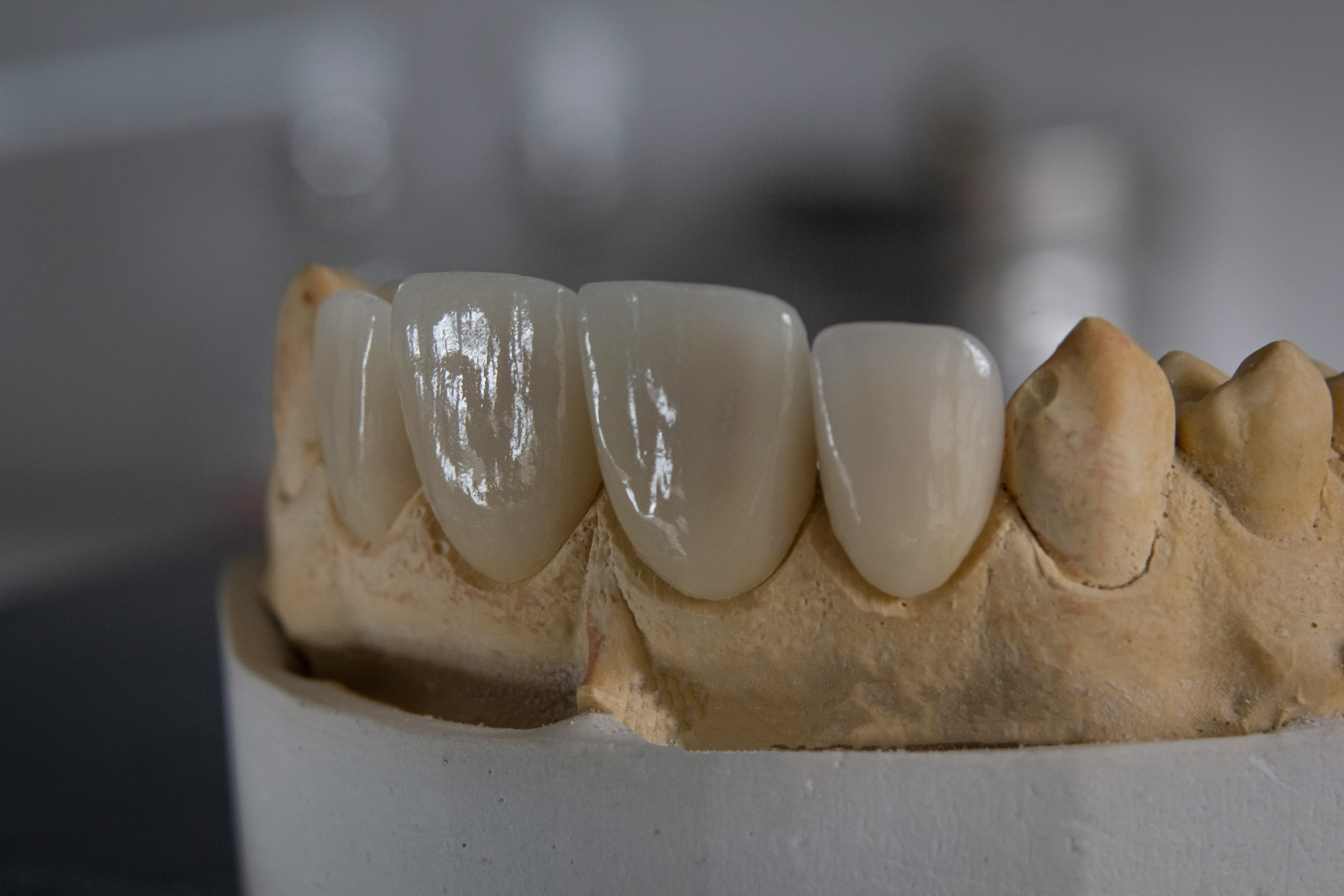
Bonding to cover exposed root surfaces
Treatment for gum health
Addressing cavities or worn fillings
Night guards for teeth grinding
These treatments are designed to address the root cause of sensitivity and provide long-term comfort.
Don’t Ignore Sensitive Teeth
While tooth sensitivity may seem minor, it can sometimes be an early sign of a bigger issue. Addressing it early can help prevent more complex dental problems in the future.
With proper care, most patients experience significant improvement—and often complete relief.
Find Relief at Dentalship Dentistry
At Dentalship Dentistry, we take tooth sensitivity seriously and focus on finding solutions that are both effective and comfortable.
Our team will carefully assess your teeth, identify the cause of your sensitivity, and recommend personalized treatment options to help you feel at ease again.
You don’t have to live with discomfort—relief is closer than you think.
Book Your Appointment Today
If you’re experiencing tooth sensitivity, a simple dental visit can make a big difference.
Contact Dentalship Dentistry today to schedule your appointment and take the first step toward a more comfortable, pain-free smile. 🦷✨
Frequently asked questions
Have a health concern? Get 24/7 online access to ask a doctor and get the answers you need, anytime, anywhere.
What dental services does your clinic offer?
Our dental care clinic offers a wide range of services including routine check-ups, cleanings, fillings, crowns, bridges, implants, root canals, extractions, and more.