Dental Crowns vs Fillings: Which Treatment Is Right for Your Tooth?
When a tooth becomes damaged or develops a cavity, restoring it early is important to maintain its strength and function. Two of the most common treatments dentists use to repair teeth are dental fillings and dental crowns.
While both treatments help restore a tooth, they serve different purposes depending on the amount of damage and the condition of the remaining tooth structure. Understanding the difference can help patients feel more confident about their treatment options.
What Is a Dental Filling?
A dental filling is typically used to repair small to moderate cavities caused by tooth decay. During this procedure, the dentist removes the decayed portion of the tooth and fills the space with a durable restorative material.
Modern tooth-colored fillings are designed to blend naturally with the surrounding tooth, making them both functional and aesthetic.
Benefits of Dental Fillings
Dental fillings offer several advantages when the damage is limited.
Preserve most of the natural tooth structure
Provide a quick and effective solution for cavities
Blend naturally with your teeth
Usually completed in a single visit
Fillings are an excellent option when the tooth still has enough healthy structure to remain strong after the decayed portion is removed.
What Is a Dental Crown?
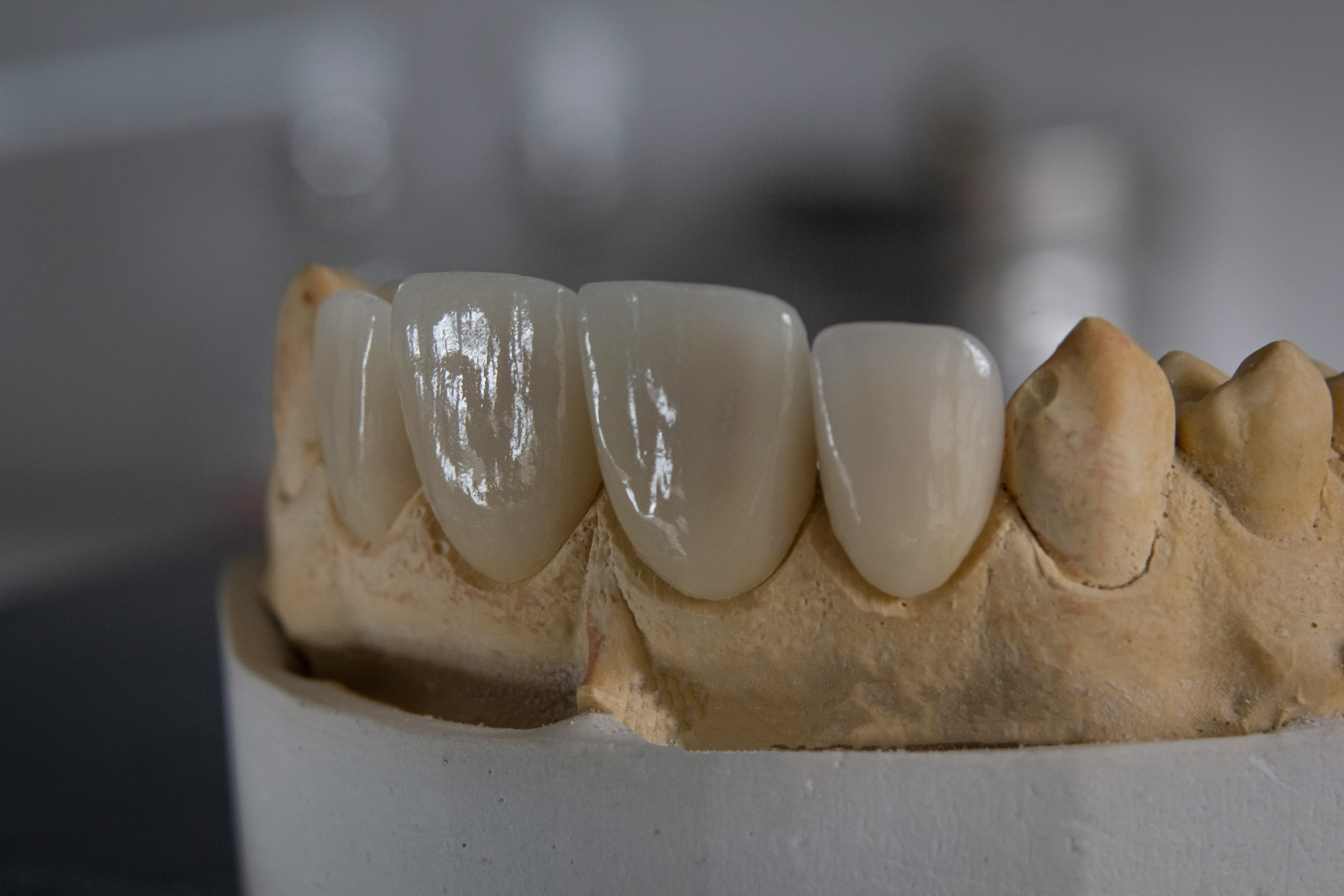
A dental crown is a custom-made cap that covers the entire visible portion of a tooth. It is designed to restore the tooth’s shape, strength, and appearance when a significant portion of the tooth has been damaged.
Crowns are commonly recommended when a tooth has:
A large cavity
A fracture or crack
Extensive wear
Weak structure after a root canal treatment
Because crowns cover the whole tooth, they provide additional support and protection compared to fillings.
Benefits of Dental Crowns
Dental crowns are often the best solution for restoring teeth that are heavily weakened.
Some key benefits include:
Protecting fragile or cracked teeth
Restoring full chewing function
Strengthening teeth after root canal treatment
Providing a natural-looking restoration
Modern crowns are carefully designed to match the color and shape of surrounding teeth, helping restore both function and appearance.
How Dentists Decide Between a Crown and a Filling
The decision between a crown and a filling depends on several important factors.
Dentists typically evaluate:
The size and depth of the cavity
The amount of remaining tooth structure
The location of the tooth in the mouth
The level of pressure placed on the tooth when chewing
For example, molars often experience stronger biting forces, which sometimes makes a crown the more durable solution.
Your dentist will carefully assess your tooth and recommend the treatment that will provide the best long-term protection and stability.
Why Treating Tooth Damage Early Is Important
Small cavities can often be treated with simple fillings. However, if tooth decay progresses and weakens the structure of the tooth, a crown may eventually become necessary.
Regular dental visits allow dentists to detect problems early, which can help keep treatments simpler and preserve more of the natural tooth.
Early treatment helps:
Prevent further tooth damage
Maintain proper chewing function
Protect surrounding teeth
Reduce the need for more complex procedures later
Restoring Your Smile at Dentalship Dentistry
At Dentalship Dentistry, we focus on restoring teeth in a way that supports both long-term health and natural appearance. Every treatment plan is carefully designed to meet each patient’s individual needs.
Whether your tooth requires a filling or a crown, our goal is to ensure that the restoration is comfortable, durable, and natural-looking.
We take the time to explain your options, answer your questions, and help you feel confident about your dental care.
Book Your Dental Examination
If you are experiencing tooth sensitivity, discomfort, or believe you may have a cavity, it is best to have the tooth evaluated early.
Contact Dentalship Dentistry to schedule your dental appointment, and our team will help determine the most appropriate treatment to restore and protect your smile. 🦷✨
Frequently asked questions
Have a health concern? Get 24/7 online access to ask a doctor and get the answers you need, anytime, anywhere.
What dental services does your clinic offer?
Our dental care clinic offers a wide range of services including routine check-ups, cleanings, fillings, crowns, bridges, implants, root canals, extractions, and more.